Author name: Le Pan Health & Wellness Initiatives

News & Events

Bringing Relief and Comfort to Displaced Families in Mangu LGA

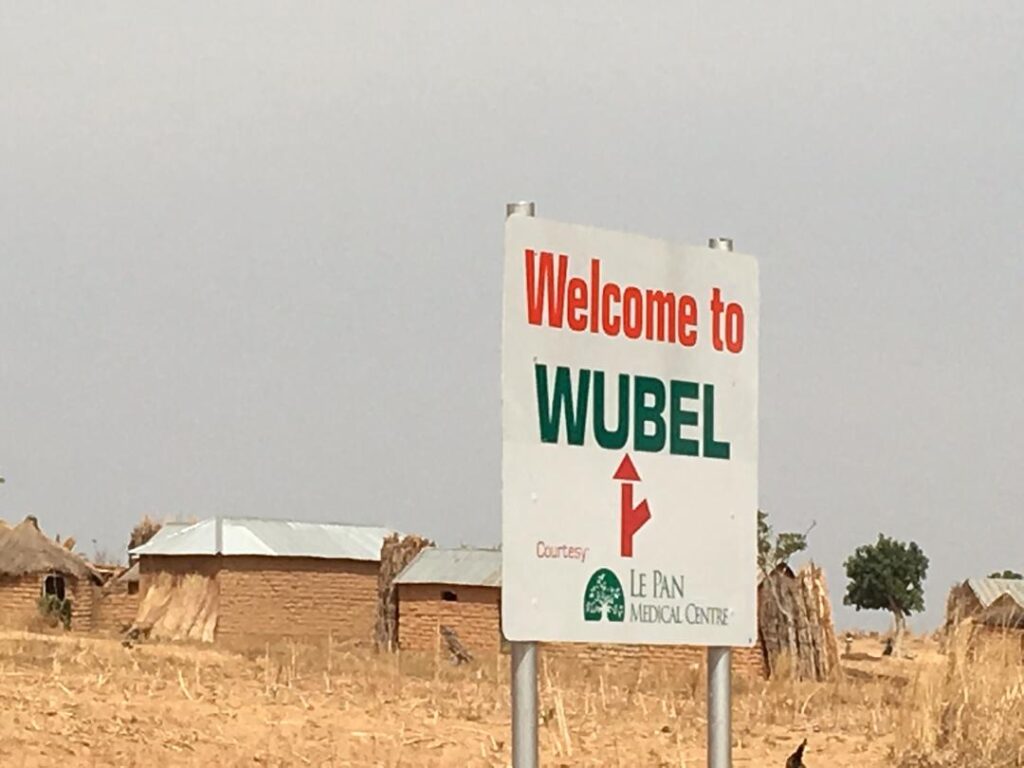
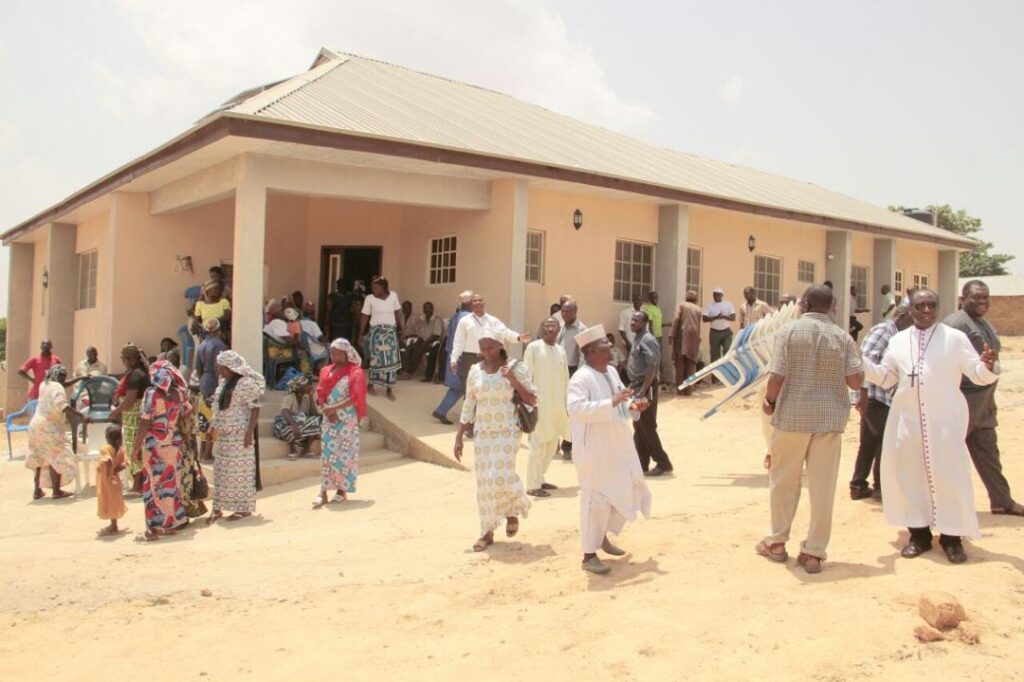
In recent days, communities in Mangu Local Government Area have faced significant hardship, leaving many families displaced and in urgent need of support. Amid the challenges, a united response from government bodies, health authorities, and humanitarian partners has brought much-needed relief to affected residents. Our team reached out to 150 displaced individuals currently taking temporary shelter at COCIN LCC Wubel, where they have found safety and a supportive community atmosphere despite the difficult circumstances. To alleviate their immediate needs, we provided relief materials that offered comfort, nourishment, and reassurance. These efforts form part of our ongoing commitment to stand with vulnerable families during moments of crisis. We are encouraged to see strong collaboration among key partners. The Plateau State Government, the Ministry of Health, and the State Emergency Management Agency (SEMA) also delivered substantial relief items, including various food supplies to help stabilize the situation for affected residents. In addition, the Honourable Commissioner for Health made a significant contribution by providing essential medications to support the health and wellbeing of those displaced. This intervention is particularly important, as access to healthcare services becomes even more critical during displacement. The collective response demonstrates the power of collaboration—government agencies, community structures, and humanitarian organizations working hand in hand to restore hope and provide immediate assistance to families in distress. As recovery efforts continue, we remain committed to supporting the displaced community in Mangu LGA and working with partners to ensure that no family is left without help, care, or compassion.

News & Events

Bringing Hope to Rural Chakfem Through Accessible Healthcare

INTRODUCTION Across Nigeria’s rural communities, healthcare remains one of the most pressing and persistent challenges. While urban residents have access to hospitals, specialists, and modern medical facilities, rural families are often left behind, relying on outdated clinics, scarce medications, and long, risky journeys to seek help. Chakfem, a farming community in Plateau State, is one of many places where the lack of accessible healthcare has deeply affected families for generations. Mothers give birth at home without skilled attendants. Children battle preventable diseases like malaria and diarrhoea. Elderly people suffer in silence because their nearest clinic is kilometers away. And when emergencies strike, time becomes the enemy. Our organization was founded to address these realities — not as outsiders, but as partners who believe that every human life deserves dignity and timely care. Through community-driven health outreach, education, and collaboration, we are working to bring hope back to Chakfem and similar underserved areas. This article takes a detailed look at the challenges, the stories, the progress, and the future of accessible rural healthcare — and why every step we take matters THE REALITY OF RURAL HEALTHCARE IN CHAKFEM 1. Limited Access to Healthcare Facilities In Chakfem, quality healthcare is a luxury. Families often travel to nearby towns like Bukuru or Jos for medical attention — journeys that can take hours by motorcycle or foot. For pregnant women, sick children, or emergency cases, this delay can be the difference between life and death. Many residents rely on: While these are helpful, they cannot replace trained healthcare professionals or diagnostic services. 2. Preventable Diseases Still Claim Lives Diseases like malaria, typhoid, respiratory infections, and diarrhoea are common. These illnesses are largely preventable with proper sanitation, access to clean water, routine testing, and timely treatment — but the absence of these basic services increases mortality rates. Children are especially vulnerable, and stories of avoidable deaths are far too common. 3. Maternal and Child Health Challenges A significant number of rural women give birth without skilled care. Antenatal visits are inconsistent because of cost, distance, or lack of awareness. Complications such as prolonged labour, postpartum haemorrhage, and infections go untreated. For newborns, early immunization is not always accessible, leaving them vulnerable to diseases that vaccines could easily prevent. 4. The Burden of Poverty Most families in Chakfem live on subsistence farming. When illness strikes, they face impossible choices: The result is often late-stage illnesses that are more expensive to treat — if treatment remains possible at all. HOW WE ARE BRINGING HOPE TO CHAKFEM Our intervention is built on a simple idea: healthcare must come to the people, especially when they cannot come to healthcare. Over the years, we have developed a set of community-centered programs tailored to the unique needs of rural communities like Chakfem. 1. Community Medical Outreach Programs These periodic outreach events bring doctors, nurses, pharmacists, and volunteers directly to the community. Residents receive: These outreaches have revealed conditions residents were unaware they had — especially hypertension and diabetes — enabling early treatment and preventing complications. 2. Strengthening Local Health Structures Instead of replacing local health systems, we work to support and strengthen them. This includes: This approach empowers the community long-term rather than creating dependence. 3. Health Education and Awareness Programs Many illnesses persist simply because people don’t know how to prevent them. Our education sessions cover: Education multiplies impact, reduces recurring illnesses, and promotes healthier families. 4. Training Local Volunteers Local volunteers are essential to continuity. We train residents in: These volunteers are often the first point of contact when emergencies occur, saving valuable time. STORIES OF IMPACT Story 1: A Mother’s Relief During an outreach, a young mother who had been sick for weeks discovered she had severe malaria and early-stage anaemia. She had been self-medicating because she couldn’t afford hospital treatment. Immediate diagnosis and medication saved her health — and likely her life. Story 2: An Elderly Farmer’s First Health Check Many elderly residents have never had their blood pressure checked. One farmer learnt he had dangerously high BP. He now receives routine monitoring from community volunteers and has adjusted his lifestyle accordingly. Story 3: Children Receiving Their First Deworming Treatment A group of schoolchildren received deworming and nutritional supplements for the first time. Teachers later reported improved attentiveness and reduced stomach pains in the classroom. WHY THIS WORK MATTERS 1. It Reduces Preventable Deaths Many deaths in rural areas occur due to treatable conditions. Early intervention saves lives. 2. It Restores Dignity Healthcare is not just medicine — it is the feeling of being valued and cared for. 3. It Breaks the Cycle of Poverty A healthy family works better, learns better, and lives better. 4. It Strengthens the Entire Community Healthier individuals means a stronger workforce, fewer disruptions, and more resilient families. THE FUTURE OF HEALTHCARE IN CHAKFEM Our long-term vision includes: We are committed to ensuring that no family in Chakfem has to choose between distance and survival. CONCLUSION Healthcare should never be a privilege tied to geography. It should not depend on income, occupation, or social class. Every human being deserves the chance to live a healthy, dignified life. Through our continued work in Chakfem, we are showing what is possible when compassion meets community and when hope is given room to grow. The challenges are real — but so is our commitment. Together with supporters, partners, volunteers, and the community itself, we are building a future where accessible healthcare is a right for everyone.

News & Events

Why Rural Healthcare Matters — And How We Are Making a Difference

Across the world, healthcare is recognized as a fundamental human right. Yet in many rural communities—especially in developing nations like Nigeria—access to basic healthcare remains a daily struggle. While major cities continue to advance with modern hospitals, specialists, diagnostic centers, and improved medical infrastructure, rural regions face severe limitations that impact the lives, productivity, and long-term survival of entire populations. This disparity is not just a statistic—it is a lived reality for millions of families. Mothers give birth without skilled attendants. Children grow up vulnerable to preventable diseases. Elderly people live without access to routine checkups. And communities face a constant threat of emergencies turning fatal simply because help is too far away. This is why rural healthcare matters. Improving healthcare in rural areas is not only an act of compassion; it is an essential step toward national development, economic progress, and social stability. In this article, we explore the critical importance of rural health systems, the unique challenges rural communities face, and the work our organization is doing to bring life-changing solutions to underserved families. Understanding the Rural Healthcare Gap Nigeria’s rural–urban healthcare divide is widely documented, but the implications are often overlooked. Studies show that: This imbalance creates a cycle of vulnerability: The result is a community caught between limited resources and high health demands. Key Healthcare Challenges in Rural Communities 1. Limited Medical Infrastructure Many primary health centers lack basic necessities such as: Even essential drugs are occasionally unavailable. These gaps mean families must rely on self-medication, traditional healers, or unlicensed practitioners—often worsening their conditions. 2. Shortage of Qualified Medical Personnel Urban areas attract most doctors, nurses, and specialists due to: This leaves rural clinics understaffed. In some places, a single nurse attends to an entire village’s health needs—and sometimes there is no staff at all. 3. Poor Health Literacy Many rural residents lack awareness about: Late presentation to the hospital is common, and misinformation spreads easily in the absence of professional guidance. 4. High Maternal and Infant Mortality One of the most heartbreaking realities of rural healthcare is the high rate of maternal and infant deaths caused by: These deaths are largely preventable with timely professional care. 5. Transportation Barriers In many villages, poor road networks and lack of vehicles make medical access a challenge. During emergencies, delays often lead to irreversible consequences. 6. Economic Hardship Even when healthcare facilities exist, many rural families cannot afford: This financial barrier pushes people to avoid or delay treatment. Why Improving Rural Healthcare Matters for National Development Rural healthcare is not only a humanitarian concern—it has far-reaching social and economic implications. Here’s why strengthening rural health systems is essential: 1. It Reduces Poverty Healthy people are more productive. When a family avoids unnecessary medical costs or loss of income due to illness, they are better positioned to sustain themselves. 2. It Enhances Food Security Most rural residents are farmers. When they are healthy, agricultural output increases—directly benefiting national food supply. 3. It Improves Education Children who receive adequate healthcare attend school more consistently. Healthy children learn better, stay in school longer, and have brighter futures. 4. It Prevents Disease Outbreaks Many disease outbreaks begin in rural areas with poor sanitation or low health awareness. Strong rural healthcare systems help contain and prevent such crises. 5. It Strengthens National Stability Communities with access to essential services feel more included, empowered, and hopeful—reducing marginalization and social tension. Investing in rural healthcare is an investment in the future stability and prosperity of the entire nation. How Our Organization Is Making a Difference Recognizing these challenges, our organization is committed to bridging the healthcare gap through strategic, people-centered programs. Our interventions focus on access, education, empowerment, and sustainable development. Below are some of the key areas where we are driving meaningful change. 1. Free Medical Outreaches We regularly organize community medical outreaches that include: These outreaches bring medical services directly to the doorsteps of families who otherwise have limited access. 2. Maternal and Child Health Support To reduce preventable deaths, we provide: Educating mothers and empowering them with knowledge goes a long way in saving lives. 3. Health Education Campaigns Prevention is better than cure, and many rural health issues are preventable. Our awareness campaigns focus on: These sessions help dispel myths and empower communities to take charge of their health. 4. Strengthening Local Clinics Where possible, we support rural health facilities with: Strengthening existing systems ensures long-term impact beyond outreach events. 5. Community Empowerment & Participation We believe sustainable healthcare improvement must involve the community. Therefore, we: This approach ensures that solutions align with actual needs and local realities. 6. Partnerships & Advocacy We collaborate with: Through these partnerships, we amplify our impact and advocate for policies that prioritize rural health. Real Stories, Real Impact Every outreach reveals powerful moments—children receiving their first health check, elderly individuals finally understanding how to manage hypertension, mothers expressing relief after receiving proper antenatal guidance, and families finding hope where there was none. These stories are a reminder that small interventions can transform lives in big ways. The Road Ahead: Our Vision for Rural Healthcare While we celebrate the lives touched so far, much more work remains. Our long-term commitment is to: Our ultimate goal is simple: a future where no one is denied healthcare because of where they live. Conclusion: Every Action Toward Rural Health Counts Rural healthcare is not an isolated issue—it affects families, communities, and the entire nation. By improving rural health systems, we uplift lives, empower generations, and build a healthier and more resilient society. Our work continues because the need is real, the challenges are urgent, and the lives we serve matter deeply. Together—with community members, partners, donors, and volunteers—we can rewrite the story of rural healthcare in Nigeria and beyond. Every step counts. Every effort matters. Every life touched is a victory.

News & Events

Meet the Leadership Team Driving Our Mission Forward.

Every impactful organization is built on the shoulders of dedicated individuals—leaders whose passion, integrity, and commitment shape its direction and influence its success. Behind every outreach program, every mobilized volunteer team, every empowered community, and every life transformed, there is a group of strategic thinkers working tirelessly to ensure that the mission remains alive and active. In our organization, this responsibility is carried by our Board of Trustees—a collective of professionals whose experiences span public service, community development, health advocacy, administration, education, and youth empowerment. They bring together wisdom, clarity, and purpose, ensuring that our work is not only well-structured but also meaningful and sustainable. This article introduces you to the leadership team guiding our mission, highlights their philosophy of service, and explains how their collective strength drives the long-term vision of the organization. Leadership That Serves With Integrity Leadership in nonprofit work is more than occupying a title. It demands genuine compassion, discipline, humility, and a willingness to serve—especially when the communities depending on the organization face daily struggles with health, development, and empowerment. Our trustees embody these values. They recognize that rural communities need more than temporary assistance—they need long-term, people-centered solutions. They understand that sustainable change requires consistency, systems, evaluation, and partnerships. And they carry this understanding into their oversight roles, ensuring that our organization remains focused, accountable, and effective. The strength of our leadership is rooted in: Together, they ensure that every decision made advances our mission and improves the conditions of the communities we serve. The Mission They Uphold The Board of Trustees is tasked with preserving the integrity of our mission. They guide the organization with a central premise: Every person deserves access to quality healthcare, support, and opportunities—regardless of location, background, or economic status. From healthcare outreaches to education campaigns, from community development projects to partnerships with local authorities, the trustees ensure that the organization’s programs align with this mission. Understanding the Role of a Trustee in Our Organization Trustees are often described as the guardians of an organization’s values. Their work may be behind the scenes, but it is deeply influential. Within our structure, trustees play several key roles: 1. Strategic Leadership They help shape the long-term direction of the organization—defining priorities, approving programs, and ensuring that each initiative is aligned with the vision. 2. Governance & Oversight Trustees monitor how programs are implemented, how funds are managed, and how goals are achieved. This ensures transparency and accountability. 3. Advocacy & Representation They serve as ambassadors for the organization, building relationships, raising awareness, and connecting us with individuals and partners who share our mission. 4. Guidance & Support Their experiences help us navigate challenges, strengthen community relationships, and make informed decisions. 5. Ethical Stewardship They uphold the organization’s values, promote fairness, and ensure that all activities prioritize the dignity and wellbeing of the people we serve. This combination of responsibilities is essential for the growth, stability, and credibility of the organization. A Collective of Strong Voices and Professional Strengths What sets our leadership apart is the unique blend of experiences they bring. While their profiles differ, their commitment to service unites them. A Visionary Chairperson Focused on Community Growth The Chairperson provides overarching leadership—ensuring unity among the trustees and clarity in long-term strategic direction. With experience in community engagement and governance, they guide the team in making decisions that accelerate development while reinforcing sustainability. They are responsible for fostering a culture of transparency, strategic planning, and accountability within the organization. A Dedicated Public Servant Championing Grassroots Development One of our trustees has spent years in public service, working closely with local government systems. Their experience navigating policy, administration, and inter-community relations brings depth to our work. They ensure our outreach efforts align with community needs, existing structures, and government policies, making collaboration seamless and impactful. A Health Advocate Committed to Maternal and Community Wellbeing With expertise in healthcare support and community mobilization, this trustee strengthens our health-focused programs. They contribute significantly to maternal and child health initiatives, health education campaigns, and awareness efforts. Their guidance ensures our programs are medically sound, people-centered, and sensitive to local realities. An Administrator With a Heart for Rural Families This trustee brings administrative expertise that keeps our internal and external processes stable. They help coordinate programs, manage operational structures, and support volunteer integration across communities. Their organizational insight helps the team maintain consistency and structure even during large-scale or multi-location projects. A Youth Advocate Driving Innovation and Energy Young people hold tremendous power in community transformation. Our youth-focused trustee ensures that the voices of rural youth are heard, included, and empowered. They promote programs that engage young people in health campaigns, volunteer work, and community leadership—ensuring that the next generation becomes active participants in development. Why Unified Leadership Matters A strong board is not just a badge of credibility—it is a necessity. In a world where development challenges are increasingly complex, organizations need leadership that is: Our trustees bring these qualities to every decision, program, and partnership. Their unity ensures that the organization: This unity translates into meaningful impact on the ground. Leadership in Action: How Trustees Shape Real-World Impact Leadership is more than board meetings and administrative decisions. It is visible in the communities where we work. 1. Strengthening Rural Healthcare Programs From reviewing outreach reports to advising on health priorities, the trustees help create programs that respond to real needs—whether it’s tackling maternal health gaps, hypertension, sanitation, or disease prevention. 2. Supporting Volunteers and Community Mobilizers Volunteers are the heart of many community-based programs. Trustees ensure that training, motivation, and support systems are in place to keep volunteer teams active and supported. 3. Ensuring Transparency and Accountability Every donation, partnership, or support received goes through proper accountability processes. Trustees oversee these systems to ensure communities benefit directly from the resources intended for them. 4. Building and Managing Partnerships The trustees help sustain collaborations with government agencies, healthcare professionals, NGOs, and community leaders. These partnerships open doors, strengthen legitimacy, and increase reach. 5. Encouraging

Scroll to Top